What to Do in an Electrical Emergency: Step-by-Step Homeowner Guide
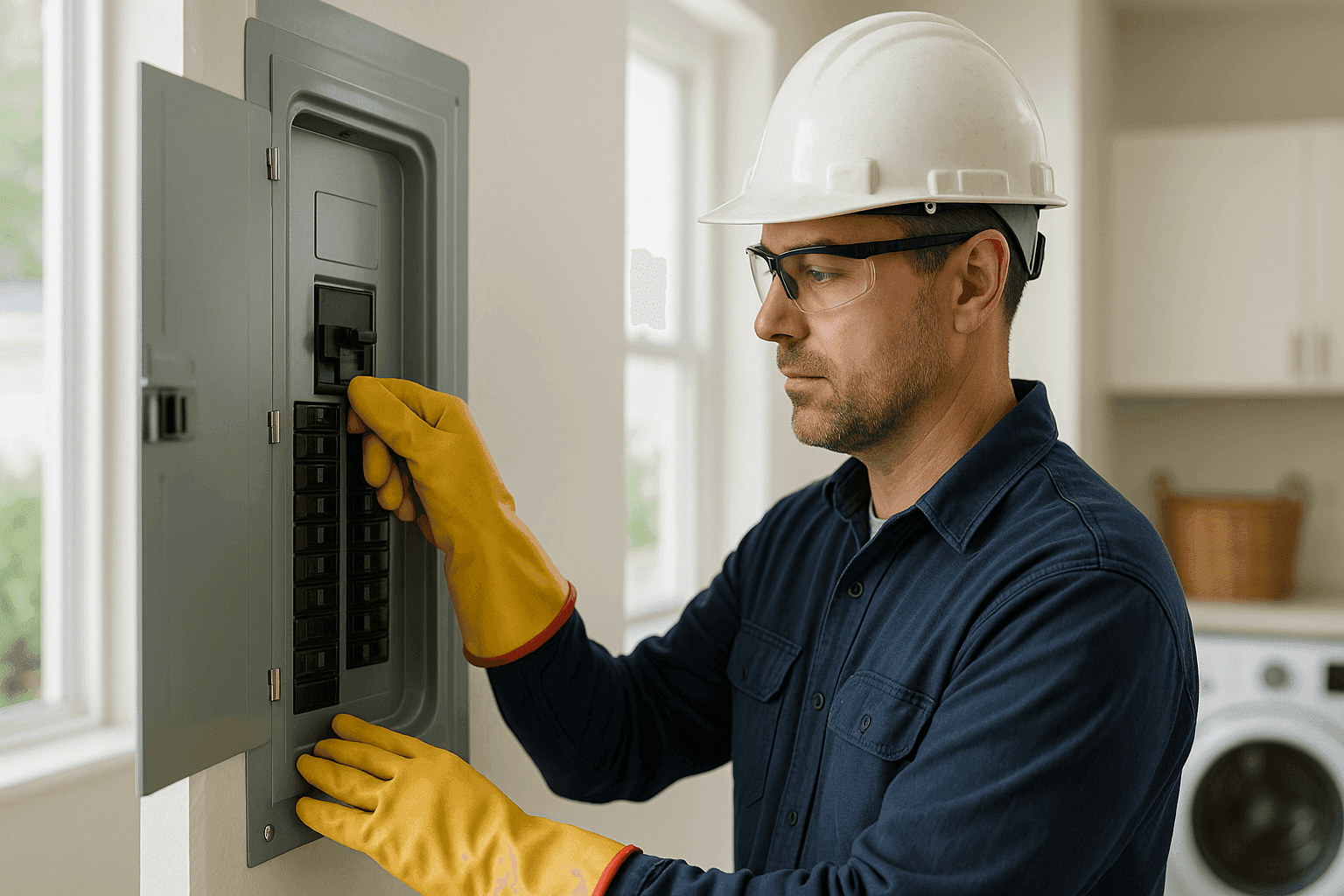
We all take electricity for granted until something goes wrong. One moment, you're making coffee or streaming your favorite show. The next, a breaker trips, the house plunges into darkness, or—worse still—smoke curls from an outlet.
Electrical emergencies can turn a normal day upside down in a flash. Knowing exactly what to do in those crucial first moments could protect your home, your appliances, and your family. TD Electric is here to walk you through what matters most—fast, safe action, grounded in the same standards followed by licensed emergency electricians everywhere.
Recognizing an Electrical Emergency ⚡
Not every electrical hiccup is a true emergency. Flickering lights or a single dead outlet usually mean you need a repair, not a rescue. But some issues demand immediate attention.
Common electrical emergencies include:
- Sparks or flames coming from outlets, switches, or appliances
- The smell of burning plastic or insulation
- Complete or partial power outages (especially after storms or with no clear reason)
- Buzzing, crackling, or popping sounds in your walls or fuse box
- Breakers that trip instantly or won’t reset
- Wet or flooded electrical panels, outlets, or wiring
Think of your home’s electrical system like your body’s nervous system. If it feels “off” in a big way—pain, heat, or signals gone haywire—you need professional help, not just a band-aid.
When It’s NOT an Emergency
- One appliance won’t turn on (try another outlet first)
- A breaker trips once, but resets and stays on
- A dim light fixture (likely a bulb or wiring issue)
- Older outlets that feel loose (still need fixing, but not right this second)
If in doubt, always err on the side of caution. When safety is at stake, it’s better to call and ask than risk a fire.
Immediate Steps to Protect Your Home and Family
When the unexpected hits, seconds count. Here’s what to do—fast, and in the safest way possible.
1. Stay Calm, Assess the Situation
- Can you see flames, or just smell burning?
- Is someone at risk of shock or injury?
- Is the problem localized, or affecting your whole home?
2. Shut Off Power Safely
- If possible, turn off the main breaker (usually found in your electrical panel).
- Never touch panels or breakers if you see sparks, smoke, or water nearby.
- For small appliance fires, unplug the device if safe to do so.
3. For Electrical Fires
- Use a Class C or multi-purpose (ABC) fire extinguisher—never water! Water and electricity are a dangerous mix.
- If the fire is spreading, evacuate immediately and call 911.
4. Evacuate When Needed
- If you smell strong burning, see flames, or the panel is making loud noises, get everyone out.
- Close doors behind you to slow the spread of fire.
5. Call an Emergency Electrician
- As soon as you’re safe, contact TD Electric for 24/7 emergency service.
- Provide clear details: what you saw, heard, and any recent work or storms.
Quick Safety Checklist
- [ ] Move everyone to safety
- [ ] Shut off power (if safe)
- [ ] Use fire extinguisher for small electrical fires only
- [ ] Never use water on electrical fires
- [ ] Evacuate for large fires or if you feel unsafe
- [ ] Call fire department if needed
- [ ] Contact an emergency electrician
When to Call an Emergency Electrician
If you’re facing any of the emergencies above, don’t try to fix it yourself. Electrical systems are complex and unforgiving. Even small mistakes can cause injury, fire, or expensive damage.
Call an emergency electrician if:
- You see or smell burning at any outlet, panel, or appliance
- A circuit breaker won’t reset and keeps tripping
- Water has reached electrical wiring, outlets, or your panel
- There’s a partial or total power outage with no obvious cause
- Outlets are hot to the touch or making noise
- You notice sparking, arcing, or buzzing from switches or fixtures
Think of your emergency electrician like a paramedic for your home’s wiring. Getting a licensed pro on the scene fast can prevent a small spark from turning into a big disaster.
Common Triggers and Why They Matter
Electrical emergencies often follow a pattern—knowing the common causes can help you react faster and prevent repeats.
Top triggers:
- Heavy storms (downed lines, surges, water leaks)
- Overloaded circuits (too many high-wattage appliances)
- Old or damaged wiring (wear and tear, rodents)
- Faulty outlets, switches, or circuit breakers
- DIY repairs gone wrong
The National Fire Protection Association (NFPA) reports that electrical failures cause tens of thousands of residential fires each year. Many are preventable with routine checks and professional installation.
Preventing Future Emergencies
Once the crisis is over, prevention is key. Here’s what you can do to keep your home safe going forward:
- Schedule regular electrical safety inspections. Have a licensed electrician check your wiring, outlets, and panel every few years—or after major storms, renovations, or appliance upgrades.
- Upgrade old wiring, outlets, and breakers. Especially in homes built before 1990, outdated systems may not handle today’s appliances near you.
- Install surge protection. This shields your electronics and wiring from sudden spikes, especially during storms.
- Test smoke and carbon monoxide detectors. Monthly checks save lives.
- Don’t overload outlets. Plugging too many devices into one circuit is a recipe for tripped breakers or fire.
The Electrical Safety Foundation International (ESFI) recommends that all major repairs, installations, and upgrades be handled by licensed electricians. Your safety depends on it.
The Dangers of DIY Fixes
In an emergency, it’s tempting to grab a screwdriver or try a “quick fix” you saw online. But electricity isn’t forgiving.
- DIY fixes can void insurance. If something goes wrong, you could be on the hook for costly damage.
- You can get shocked, burned, or worse. Even turning a screw in the wrong place can cause injury.
- Hidden problems can get worse. What seems like a minor spark may be a symptom of dangerous wiring deeper in your walls.
The safest move? Call TD Electric’s emergency electrician team. Licensed, trained professionals know how to diagnose and repair without making things worse.
What Happens When the Pros Arrive
Wondering what to expect when help arrives? Here’s what a licensed emergency electrician from TD Electric will do:
- Assess the scene for immediate hazards
- Shut off power safely (if not already done)
- Use proper equipment to test for live wires and hidden damage
- Locate the source of the problem—from panels to outlets, appliances, or outside lines
- Make emergency repairs or secure the area so further damage can’t occur
- Advise you on next steps for full repairs, upgrades, or follow-up safety checks
We follow all national and local codes—like those set out by the National Electrical Code (NEC) and Occupational Safety and Health Administration (OSHA).
How Much Will It Cost? How Long Will It Take?
Every emergency is different. Costs and timeframes depend on what went wrong, where, and how much repair is needed.
Typical factors:
- Extent of damage (single outlet vs. whole panel)
- Time of day (after-hours or holidays may affect dispatch time)
- Parts or panels that need replacing
- Safety checks and follow-up visits
Most urgent repairs—like shutting off power, replacing a breaker, or securing dangerous wiring—can be completed within a few hours. Larger fixes (rewiring, full panel replacement) may take longer.
We’re always up front about what’s needed before work begins.
Frequently Asked Questions
What should I do if my power goes out during a storm?
First, check whether neighbors are affected (could be a grid issue). If your house is the only one out, check your main breaker—turn it off and back on. If the outage persists, or you hear buzzing or see sparks, call an emergency electrician.
Can I use a fire extinguisher on an electrical fire?
Yes—but only a Class C or multi-purpose (ABC) extinguisher. Never use water. If the fire grows or you feel unsafe, evacuate and call 911.
My outlet is hot but there’s no smoke. Is that an emergency?
A hot outlet means something’s wrong—wiring may be overloaded or failing. Shut off the breaker to that outlet and call an electrician. Don’t use the outlet until it’s checked.
Is it safe to reset a tripped breaker?
If a breaker trips once, it’s usually safe to reset. If it immediately trips again or won’t reset, something is wrong—leave it off and call for help.
Local and Seasonal Considerations
Thunderstorms, heavy snowfall, and summer heat waves can all put extra pressure on your home’s electrical system. In some areas, older homes with original wiring are more prone to emergencies—especially when new, high-powered appliances are added to the mix.
If you live in a flood-prone area, keep your electrical panel and outlets above potential water levels. Have your system inspected if you’ve recently had water in the basement or crawlspace.
In Summary
Electrical emergencies are stressful—but knowing what to do gives you back some control. Stay calm. Prioritize safety. And don’t hesitate to call for professional help, day or night.
Whether it’s a smoking outlet, a dead panel, or a midnight power loss, TD Electric’s 24/7 emergency electricians are here for you.
Call TD Electric now — or reach us anytime at 877-708-5326 .