Complete Guide to Home Electrical Panel Upgrades: When and Why to Upgrade
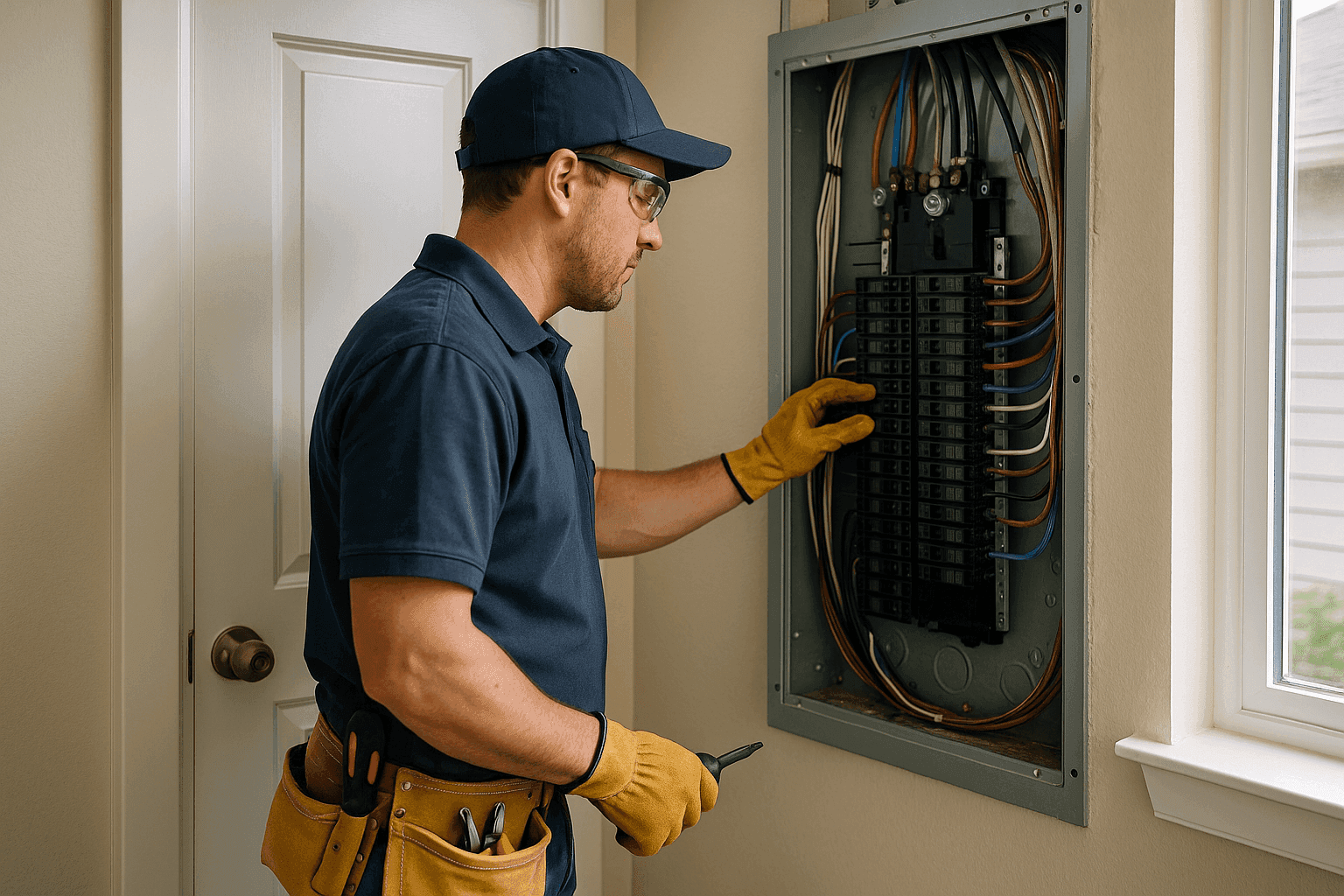
Your electrical panel is the silent traffic cop of your home or business. It keeps the power flowing, stops trouble in its tracks, and protects everything you plug in. But what happens when it’s no longer up to the job?
If you’ve ever wondered whether your panel can handle today’s demands—or felt a jolt of worry at a flickering light or tripping breaker—you’re in the right place. TD Electric is here to break down the when, why, and how of electrical panel upgrades, so you can keep your property safe, efficient, and ready for anything.
What Is an Electrical Panel, and Why Does It Matter?
Think of your electrical panel as the heart of your building’s electrical system. It’s where power from the utility company enters your space and gets divided up into circuits for every room, appliance, and device.
A healthy panel means smooth operation. An outdated or overloaded panel? That’s like trying to run a marathon with a weak heart—sooner or later, something gives.
Modern homes and businesses use more power than ever: EV chargers, smart home devices, high-powered appliances, computers, and more. Your panel needs to keep up.
Signs Your Electrical Panel Needs an Upgrade ⚡
How do you know if your panel is falling behind? Look for these red flags:
- Frequent breaker trips. Are you resetting breakers every week? That’s a sign your panel is overloaded or failing.
- Flickering or dimming lights. Especially when you turn on appliances—think of it as your panel waving a white flag.
- Warm or discolored panel covers. Heat and burn marks are never normal.
- Outdated panels or fuses. If your panel is more than 25 years old or still uses screw-in fuses, it’s time to consider an upgrade.
- Buzzing or crackling sounds. Electricity should be silent. Any noise is a warning.
- Adding new appliances or systems. Upgrading your kitchen, installing an EV charger, or adding a hot tub? You’ll need more capacity.
- Insurance or code compliance issues. Many insurers require updated panels for coverage, and electrical codes have changed dramatically in recent years.
Quick Electrical Panel Safety Checklist
Before you do anything else, check these basics:
- Never open the panel if you see or smell burning.
- Don’t touch the panel with wet hands.
- If breakers trip repeatedly, stop resetting them and call for help.
- Keep the area around the panel clear for easy access.
- If you see rust, corrosion, or water near the panel, treat it as urgent.
- Always use a licensed electrician for inspections or repairs.
For more on electrical safety, see the National Fire Protection Association (NFPA) and Occupational Safety and Health Administration (OSHA) guidelines.
DIY vs. Call a Pro: Why Panel Work Isn’t a Weekend Project
It’s tempting to think, “How hard can it be?” But electrical panels are not a place for trial and error. Working inside a panel is like juggling live wires—one wrong move can mean serious injury, fire, or worse.
Only a licensed, trained emergency electrician should handle panel upgrades or repairs. Here’s why:
- High voltage danger. Even with the main breaker off, some parts of the panel remain energized.
- Code compliance. Panels must meet strict standards (such as the National Electrical Code, or NEC).
- Insurance and resale value. DIY work can void policies or cause problems when you sell.
- Peace of mind. A professional job means everything works as it should, now and down the road.
What to Expect When Upgrading: The Panel Upgrade Process
Upgrading your panel isn’t an everyday event. Here’s how the process usually unfolds:
1. Assessment and Inspection
A TD Electric licensed electrician will:
- Inspect your current panel and wiring.
- Review your current and future power needs (think: new appliances, EV chargers, smart home tech).
- Check for code violations or safety hazards.
2. Planning and Permits
- We’ll recommend the right panel size and features for your needs.
- Handle all required permits and paperwork.
- Coordinate with your utility company if a temporary power shutdown is needed.
3. The Upgrade Day
- Power is safely shut off.
- Old panel is removed; wiring is checked and upgraded if needed.
- New panel is installed, circuits are labeled, and everything is tested.
- Power is restored and the system is inspected for safety and code compliance.
4. Clean-Up and Walk-Through
- We clean up the workspace and walk you through your new panel.
- All questions answered, all circuits labeled—so you know exactly what controls what.
How to Prepare for a Panel Upgrade
A little prep goes a long way. Here’s what you can do:
- Clear the area. Move furniture or storage away from the panel.
- Plan for downtime. Power will be off for several hours—charge devices, plan meals, and notify anyone who may be affected.
- Secure pets and kids. Keep them away from the work zone.
- List your needs. Tell your electrician about any future upgrades or special equipment you’re planning.
Benefits of Upgrading Your Electrical Panel
Why invest in a new panel? Here’s what you gain:
- Safety. Reduce risk of fire, shock, and electrical emergencies.
- Capacity. Power all your modern devices and appliances without tripping breakers.
- Home value. A new panel is a strong selling point and may lower insurance costs.
- Code compliance. Meet the latest safety standards and avoid costly violations.
- Peace of mind. Sleep better knowing your electrical system is up to the task.
Costs & Time Factors: What to Expect
Panel upgrades are an investment, but they pay off in safety and reliability. Here’s what affects the cost and timeline:
- Panel size and features. More circuits or smart features can raise the price.
- Wiring condition. If your wiring needs work, it may add to the project.
- Permits and inspections. These are required and may take extra time.
- Access and complexity. Hard-to-reach panels or older homes may take longer.
Most panel upgrades take one day, sometimes two if there’s extra work. Costs vary, but remember: skimping on electrical work can lead to far more expensive repairs—or emergencies—down the road.
When It’s an Emergency: Don’t Wait
Some panel problems can’t wait for business hours. Call an emergency electrician if you notice:
- Burning smells or visible smoke near the panel
- Sparks, popping, or buzzing sounds
- Breakers that won’t reset or keep tripping instantly
- Signs of overheating (hot to the touch, melted plastic)
- Water leaks near the panel
TD Electric offers 24-hour emergency service. Don’t risk it—your safety comes first.
Prevention & Maintenance Tips
Keep your panel—and your property—safe with these habits:
- Schedule regular electrical safety inspections (at least every 3–5 years, or after major renovations).
- Don’t overload outlets or circuits.
- Label all breakers clearly.
- Keep the panel area dry and accessible.
- Test smoke and carbon monoxide detectors monthly.
- Install surge protection for electronics and appliances.
See the Electrical Safety Foundation International (ESFI) for more tips on keeping your electrical system in top shape.
FAQ: Common Questions About Electrical Panel Upgrades
How do I know if my panel is too small for my needs?
If you’re constantly resetting breakers, adding extension cords, or plugging in new appliances only to have the lights flicker, your panel likely isn’t keeping up. An inspection by a licensed electrician can give you a clear answer.
Can I upgrade just a few breakers instead of the whole panel?
Sometimes, yes—but if your panel is old, damaged, or not up to code, a full upgrade is the safest choice. Swapping breakers won’t fix deeper issues like outdated wiring or insufficient capacity.
Will my power be off during the upgrade?
Yes, but only temporarily. Most upgrades take several hours. Your electrician will let you know how long to expect, and we always work to minimize disruption.
Is upgrading my panel required by law?
Building codes often require upgrades when you add major appliances, renovate, or if your panel doesn’t meet current safety standards. It’s also a must if your insurer or home inspector flags it as a risk.
Special Considerations for Homeowners and Small Business Owners
- Home Automation & Smart Devices: Modern systems often need more power and dedicated circuits.
- EV Chargers: Charging stations require higher amperage panels and specific wiring.
- Pools, Spas, and Outdoor Features: These demand weatherproof panels and extra safety measures.
- Backup Generators: Proper panel setup ensures safe, seamless generator operation.
- Commercial Needs: Businesses with machinery or high-tech equipment may need three-phase power or specialized panels.
Every property is unique. TD Electric tailors solutions to your needs, whether you’re upgrading for safety, convenience, or future growth.
Ready to upgrade your electrical panel—or need an emergency electrician right now? Call TD Electric now — or reach us anytime at 877-708-5326 .