Essential Guide to Home Electrical Maintenance for Safety and Savings
Electricity runs quietly behind your walls—until something goes wrong. A flicker, a pop, a sudden blackout. That’s when you realize how much you rely on a safe, working electrical system. At TD Electric, we see the hidden dangers and the preventable headaches every day.
Regular electrical maintenance isn’t just for peace of mind. It keeps your family, your business, and your property safer. It also protects your wallet from costly surprises. Let’s walk through what you need to know to keep your electrical system in top shape, spot trouble early, and know when to call an emergency electrician.
Why Electrical Maintenance Matters
Electricity is like the lifeblood of your property. When it flows smoothly, everything works. When something’s off, the risks can be serious—fires, shocks, or equipment damage. According to the National Fire Protection Association (NFPA), electrical failures are a leading cause of home fires. Routine maintenance is your best defense.
But it’s not just about safety. Well-maintained wiring and panels help appliances last longer and keep energy bills down. Think of it like changing the oil in your car. A little attention now saves big headaches later.
Understanding Your Home Electrical System ⚡
Your electrical system is a web of parts working together. Here’s what you should know:
- Wiring: The veins of your home, carrying power to every outlet, switch, and appliance. Older or damaged wiring is a top fire risk.
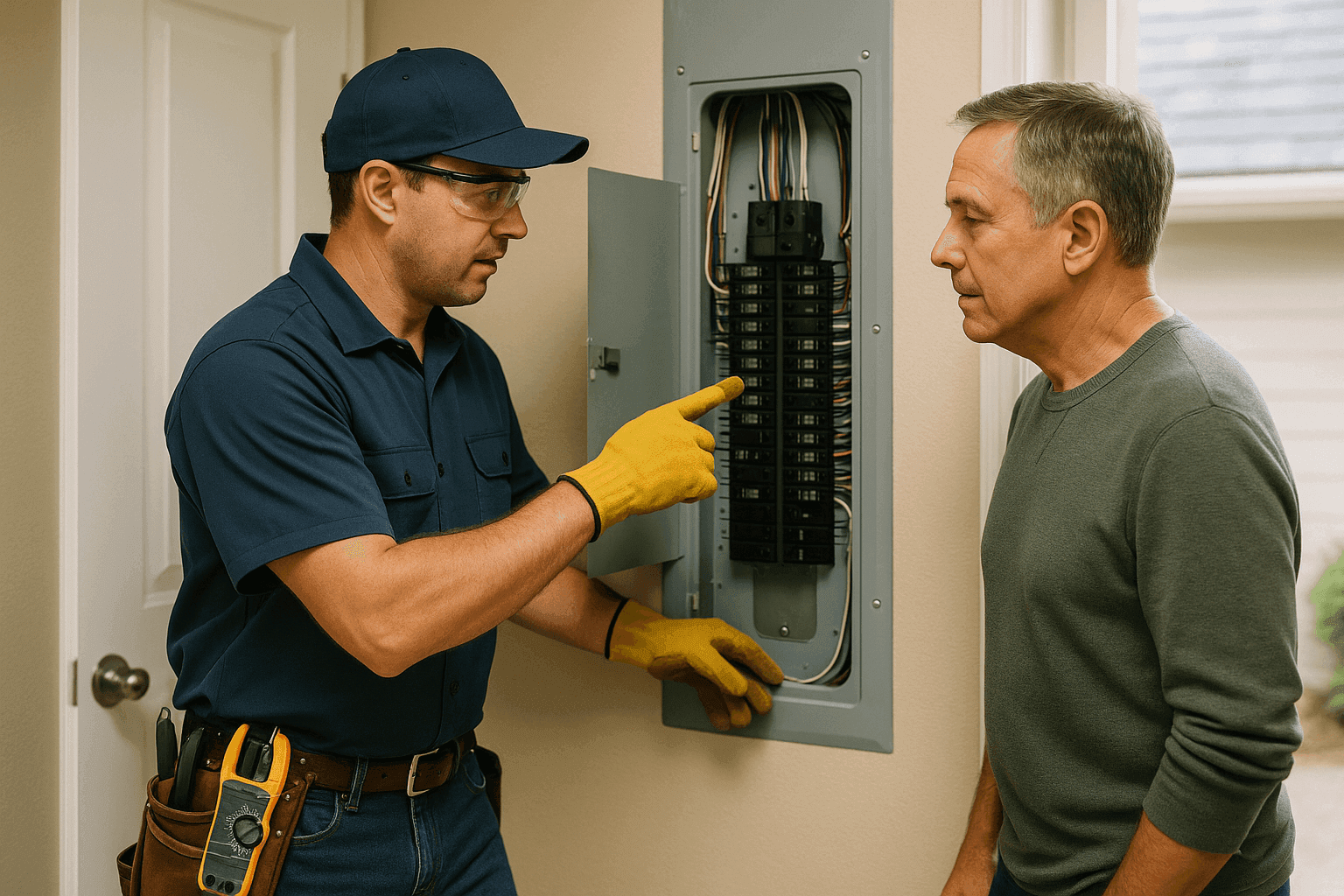
- Electrical Panel: The control center. It divides electricity into circuits and protects against overloads with breakers or fuses.
- Outlets & Switches: The access points. Loose or cracked outlets can spark or fail.
- Appliances: From fridges to EV chargers, these draw power daily. Faulty connections can cause overheating or shorts.
- Safety Devices: Smoke detectors, carbon monoxide alarms, and surge protectors are your first alert if something goes wrong.
If you own a business, add systems like backup generators, motor controls, or data cabling to the list. Each piece needs regular checks to work safely.
Common Electrical Issues and How to Spot Them Early
Problems often start small. Catching them early can prevent emergencies. Watch for:
- Flickering or dimming lights: This could mean loose wiring or overloaded circuits.
- Frequent breaker trips: If your panel keeps shutting off, something’s drawing too much power or there’s a fault.
- Warm outlets or switches: Heat means trouble. It could be a sign of a loose connection or failing component.
- Buzzing or crackling sounds: Electricity should be silent. Noises are warning signs of arcing or damaged wiring.
- Burning smells: If you smell something burning near outlets or your panel, shut off power and call an emergency electrician right away.
- Dead outlets: A single dead outlet could be a tripped breaker, but if several stop working, there may be a wiring issue.
Don’t ignore these signs. Even small issues can quickly become dangerous.
Seasonal Maintenance Tips
The weather outside affects what’s happening inside your walls. Each season brings its own challenges:
Preparing for Storms
- Check surge protectors: Lightning can fry electronics in a flash.
- Test backup generators: Make sure they start and run smoothly before you need them.
- Secure outdoor wiring: Wind and rain can damage exposed cables.
Winter Electrical Safety
- Inspect heating systems: Electric heaters and blankets should be checked for frayed cords.
- Check exterior outlets: Make sure they’re weatherproofed and covered.
- Look for ice buildup: Ice on wires or panels can cause shorts.
Summer Readiness
- Test ceiling fans and air conditioners: Overworked circuits can overheat.
- Check pool and spa wiring: Water and electricity don’t mix—make sure everything is up to code (see National Electrical Code guidelines).
- Inspect outdoor lighting: Replace any cracked fixtures or bulbs.
A little seasonal prep keeps your system running smoothly all year.
Quick Safety Checklist
Before you tackle any electrical maintenance yourself, run through this list:
- Turn off power at the breaker before touching outlets or switches.
- Use insulated tools and dry hands.
- Never overload outlets or extension cords.
- Test smoke and carbon monoxide detectors monthly.
- Replace any frayed or damaged cords immediately.
- Keep water away from all electrical devices.
- Schedule annual professional inspections.
If you’re ever unsure, don’t risk it. Electricity isn’t forgiving.
When to Call a Professional Electrician
Some things are DIY-friendly—like changing a lightbulb or testing a smoke detector. But many electrical jobs need a licensed pro. Here’s when to pick up the phone:
- You smell burning or see sparks.
- Breakers trip repeatedly, even after resetting.
- You need to upgrade your electrical panel or add circuits.
- You’re installing high-voltage appliances, EV chargers, or pool equipment.
- You’re unsure about wiring or code requirements.
A professional electrician has the training, tools, and certifications to handle these safely. At TD Electric, our team is certified, insured, and available 24/7 for emergencies.
DIY vs. Call a Pro
It’s tempting to tackle small fixes yourself, but knowing your limits is key. Here’s a quick guide:
Safe for DIY:
- Replacing light bulbs and batteries in detectors
- Resetting tripped breakers (once)
- Plugging in surge protectors
Call a Pro for:
- Rewiring outlets or switches
- Installing new circuits or heavy appliances
- Upgrading panels or breakers
- Electrical inspections and certifications
- Any repairs involving water, high voltage, or unfamiliar wiring
Remember, electrical work done incorrectly can void insurance or fail safety inspections. When in doubt, call a pro.
What Pros Do On Arrival
When you call TD Electric—especially for an emergency—here’s what to expect:
- Thorough safety check: We start by making sure the area is safe for you and our team.
- System diagnosis: Using industry-grade tools, we trace the problem to its source.
- Code-compliant repairs: All work follows the latest National Electrical Code (NEC) and safety standards.
- Clear explanations: We walk you through the issue and the fix, so you know exactly what’s happening.
- Preventative advice: We’ll recommend steps to avoid future issues, whether it’s a panel upgrade or surge protection.
Our electricians are trained to spot hidden hazards and ensure every repair is safe and long-lasting.
Prevention & Maintenance Tips
Staying ahead of problems is the best way to avoid emergencies. Here’s how:
- Schedule annual inspections: A professional checkup can catch worn wiring, overloaded panels, or code issues before they become dangerous.
- Test safety devices: Make sure smoke and carbon monoxide detectors work—replace batteries yearly.
- Upgrade old wiring: If your property is more than 30 years old, consider a wiring update.
- Label your breaker panel: Clear labels make it easy to shut off the right circuit in an emergency.
- Install whole-home surge protection: This guards against power spikes from storms or grid issues.
- Keep records: Track repairs, upgrades, and inspections. This helps with insurance and future maintenance.
Regular attention keeps your system running smoothly and saves money on repairs.
Costs & Time Factors
Electrical maintenance is an investment in safety and efficiency. Here’s what to expect:
- Routine inspections: Usually take 1–2 hours for a typical home or small business.
- Minor repairs: Like replacing outlets or switches, often done in under an hour.
- Larger projects: Panel upgrades, rewiring, or generator installation take longer—sometimes a full day or more.
- Emergency calls: Response times are quick, but repairs depend on the issue’s complexity.
Costs vary by job size, materials, and system age. Regular maintenance is almost always cheaper than emergency repairs or damage from neglect.
When It’s an Emergency 🚨
Some electrical issues can’t wait. Call an emergency electrician if you notice:
- Smoke, sparks, or burning smells from outlets, panels, or appliances
- Power loss to essential systems (medical devices, refrigeration)
- Flooding or water near electrical equipment
- Exposed wires or signs of electrical fire
- Any shock or tingling sensation from switches or appliances
In these cases, shut off power at the main breaker if it’s safe, then call for help immediately.
FAQ
How often should I have my electrical system inspected?
For most homes and small businesses, an annual inspection is recommended. If you have older wiring, high-powered equipment, or recent renovations, consider twice a year.
What’s the biggest sign my electrical panel needs an upgrade?
Frequent breaker trips, flickering lights, or the need for more outlets are all signs your panel may be overloaded or outdated.
Can I install a new appliance or EV charger myself?
Most new appliances and especially EV chargers require dedicated circuits and must meet electrical codes. This is a job for a licensed electrician.
Are surge protectors really necessary?
Yes. Power surges from storms or grid issues can destroy electronics in seconds. Whole-home surge protection is a smart investment.
Special Considerations for Home and Small Business Owners
If you run a business from home or manage a small office, your electrical needs may be higher. More devices, sensitive equipment, or specialized wiring (like data cabling or motor controls) all add complexity. Schedule regular maintenance and always use licensed electricians for upgrades. If you have pools, spas, or outdoor lighting, check that all installations meet current safety codes and are inspected after severe weather.
A safe, well-maintained electrical system protects everything you value—your family, your employees, your investment. Don’t wait for a warning sign. Routine care and quick action keep the lights on and danger at bay.
Call TD Electric now — or reach us anytime at 877-708-5326 .