How to Prepare Your Home Electrical System for Winter Storms
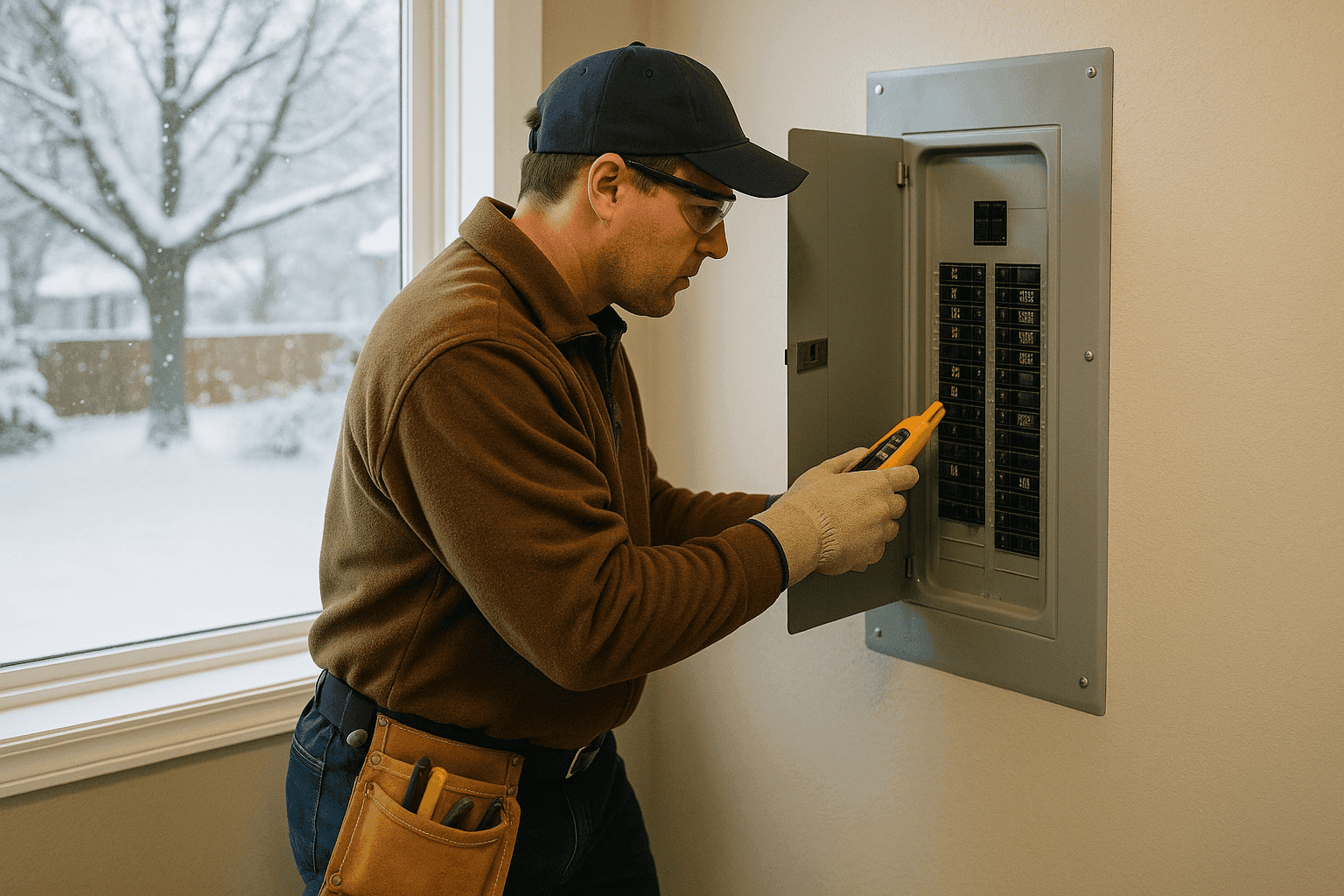
When winter storms roll in, power can flicker like a candle in the wind. It’s stressful—especially if you’re responsible for a home or small business. The last thing you want is to be left in the dark or face costly damage.
At TD Electric, our certified electricians have seen it all. We know how quickly a peaceful winter night can turn into a scramble for flashlights and blankets. This guide will help you take smart steps now, so you’re not caught off guard when the weather outside turns wild.
Understanding Winter Electrical Risks ⚡
Winter storms can be beautiful from the window. But inside, they can cause headaches—sometimes even hazards. Here’s what you’re up against:
- Power Outages: Heavy snow, ice, and wind can knock down power lines, leaving you without electricity for hours—or days.
- Surges & Spikes: When the power comes back, sudden surges can fry sensitive electronics and appliances.
- Faulty Wiring: Cold temps can make old or damaged wires brittle, increasing the risk of shorts and fires.
- Generator Hazards: Improper use of backup generators can cause carbon monoxide poisoning or electrical shock.
- Water Intrusion: Melting snow and ice can seep into wiring or panels, creating dangerous conditions.
The National Fire Protection Association (NFPA) reports that electrical failures or malfunctions are a leading cause of home fires during winter months. That’s why preparation matters.
Seasonal Maintenance Checklist
Think of your electrical system like a car—it needs regular tune-ups, especially before harsh weather. Here’s a checklist to get started:
- Inspect the Main Panel: Look for rust, moisture, or odd smells. If a breaker feels warm or looks damaged, call an electrician.
- Test Outlets & Switches: Make sure they aren’t loose, cracked, or sparking. GFCI outlets in kitchens, bathrooms, and outdoors should trip and reset properly.
- Check Wiring Integrity: Frayed or exposed wires are accidents waiting to happen. Don’t ignore them.
- Review Surge Protection: Whole-home surge protectors add a layer of defense for your electronics.
- Examine Smoke & CO Detectors: Test alarms and replace batteries. Detectors save lives—especially when heaters and generators are running.
- Backup Generator Readiness: Run a test. Make sure it’s fueled, ventilated, and connected safely.
- Outdoor Lighting & Cables: Secure loose wires, and replace any broken fixtures before snow or ice hits.
- Clear the Area Around Panels: Shovels, coats, or storage shouldn’t block quick access in an emergency.
A little time now can save a lot of trouble later.
Emergency Preparedness Tips
When a storm hits, you want to be ready—not scrambling. Here’s how:
- Know Your Shutoffs: Learn where your main breaker and any subpanels are. Teach family or staff how to turn off power safely.
- List Emergency Contacts: Keep TD Electric’s number handy. Store it in your phone and post it by your breaker panel.
- Portable Power: Flashlights and battery-powered lanterns beat candles for safety. Stock up on batteries.
- Backup Generator Safety: Never run a generator indoors or in a closed garage. Follow manufacturer instructions and National Electrical Code (NEC) guidelines.
- Unplug Sensitive Devices: If you suspect a surge, unplug computers, TVs, and appliances until power stabilizes.
- Create a Storm Kit: Include blankets, water, non-perishable food, and a battery radio.
If something feels off—like a burning smell or buzzing panel—don’t wait. Shut off power and call an emergency electrician immediately.
When to Call a Professional
Some electrical work is like fixing a leaky faucet—manageable for the handy. But winter prep is different. Here’s when to reach out:
- Panel or Breaker Issues: Flickering lights, tripping breakers, or buzzing sounds mean trouble.
- Wiring Concerns: If you spot damaged, wet, or exposed wires, call before it becomes a hazard.
- Generator Installation: Connecting a generator safely requires proper transfer switches and ventilation.
- Major Upgrades: Adding surge protection, new circuits, or heavy appliances? Get it done right.
- Safety Inspections: A certified electrician can spot hidden dangers and ensure your system meets the latest codes.
TD Electric’s team is available 24/7 for emergencies. We follow NFPA 70 (National Electrical Code) standards and use only certified parts and tools.
Actionable Prevention Strategies
Want to sleep better during the next blizzard? Take these steps:
- Schedule a Pro Inspection: Annual checks catch problems before they spark.
- Install Surge Protection: Protects everything from your fridge to your phone charger.
- Upgrade Old Wiring: If your property is more than 30 years old, rewiring may be needed.
- Install Backup Power: A professionally installed generator or battery system keeps essentials running.
- Weatherproof Outdoor Outlets: Covers and GFCI outlets prevent moisture problems.
- Label Your Panel: Clear labels help everyone find the right breaker fast.
Following these steps can reduce your risk of outages, fires, and costly repairs.
Frequently Asked Questions
How often should I have my electrical system inspected before winter?
The Electrical Safety Foundation International (ESFI) recommends annual inspections, especially if your property is older or you’ve added major appliances recently.
Is it safe to use extension cords for heaters or generators?
No. Extension cords can overheat or cause fires if overloaded. Always plug heaters and generators directly into outlets rated for their load, or have a transfer switch installed by a certified electrician.
What’s the best way to protect my electronics from surges?
A whole-home surge protector, installed at your main panel, offers the best defense. Individual plug-in protectors add extra security for sensitive devices.
Can I install a generator myself?
Portable generators can be used safely if you follow all manufacturer guidelines and never run them indoors. For standby or whole-home generators, always hire a certified electrician to ensure safe and code-compliant installation.
Special Considerations for Home & Small Business Owners
Every property is unique. Homeowners may need to focus on critical appliances like refrigerators and sump pumps. Small business owners should consider:
- Data Protection: Power loss can mean lost sales or data. Battery backups and surge protection are crucial.
- Emergency Lighting: Exit signs and backup lights are required by code in many businesses.
- Equipment Shutdown Procedures: Know how to safely power down machinery or sensitive electronics.
- Insurance Requirements: Some policies require proof of electrical inspections or upgrades.
If you’re unsure where to start, TD Electric can tailor a plan to your needs—residential or commercial.
Winter storms don’t have to mean panic or power loss. A little preparation goes a long way toward keeping your family, employees, and property safe. For urgent issues, routine safety checks, or electrical upgrades, TD Electric is ready to help—day or night.
Call TD Electric now — or reach us anytime at 877-708-5326 .